
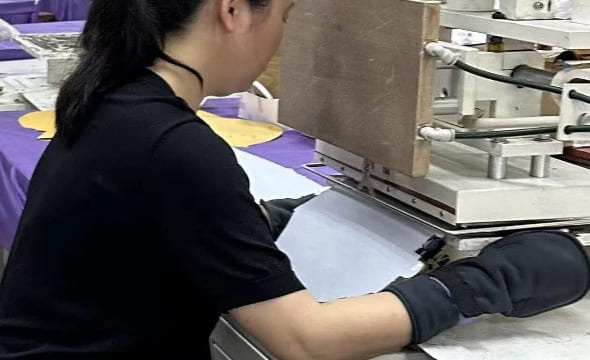
With nearly a decade in garment manufacturing, I've witnessed "small-batch quick return" evolve from a niche tactic to an industry norm. Replacing the old inventory-heavy, bestseller-gambling model, this approach adapts to picky consumers, fast-paced cross-border platforms and technological advancements, reshaping industry competition. Below is a concise analysis based on my experience.
I. Current Status
This flexible supply chain model starts with 300-1,000 pieces per style for market testing, then restocks rapidly via sales data. It now has three traits: first, it’s a universal standard, not a supplement—fast fashion brands cut restocking cycles to 7-14 days, while SHEIN and TEMU use 300-500-piece initial orders with 24-hour restocking. Second, digital platforms like Dongfang Cloud Factory streamline collaboration, matching factories and ensuring compliance. Third, technology boosts efficiency (SHEIN’s tools cut processing time by 35%) but policies hinder progress, such as U.S. tariff hikes raising costs and clearance time.
II. Benefits
It reduces inventory risk, enabling zero-inventory turnover for some brands and minimizing losses from flops. It keeps pace with fast-changing trends, launching new products in 7 days to capture hotspots, ideal for Gen 00’s demand for uniqueness. Additionally, it drives industry upgrading, pushing factories to adopt smart equipment and brands to use SCM systems, improving delivery speed by 30% on average.
III. Pitfalls
Fixed costs spread thin, paired with air freight and tariff hikes, compressing margins. Supply chain coordination is tricky—fabric shortages, factory backlogs, and incomplete docs often delay deliveries. SMEs face high transformation thresholds: smart equipment and training drain cash flow, while Southeast Asia relocation fails due to poor local supply chains.
IV. Final Thoughts
Small-batch quick return is indispensable, revolutionizing inventory management and market response. Success hinges on digital integration, platform collaboration and policy adaptability—it’s no longer a choice but a survival necessity for garment businesses.

Wechat Customer